

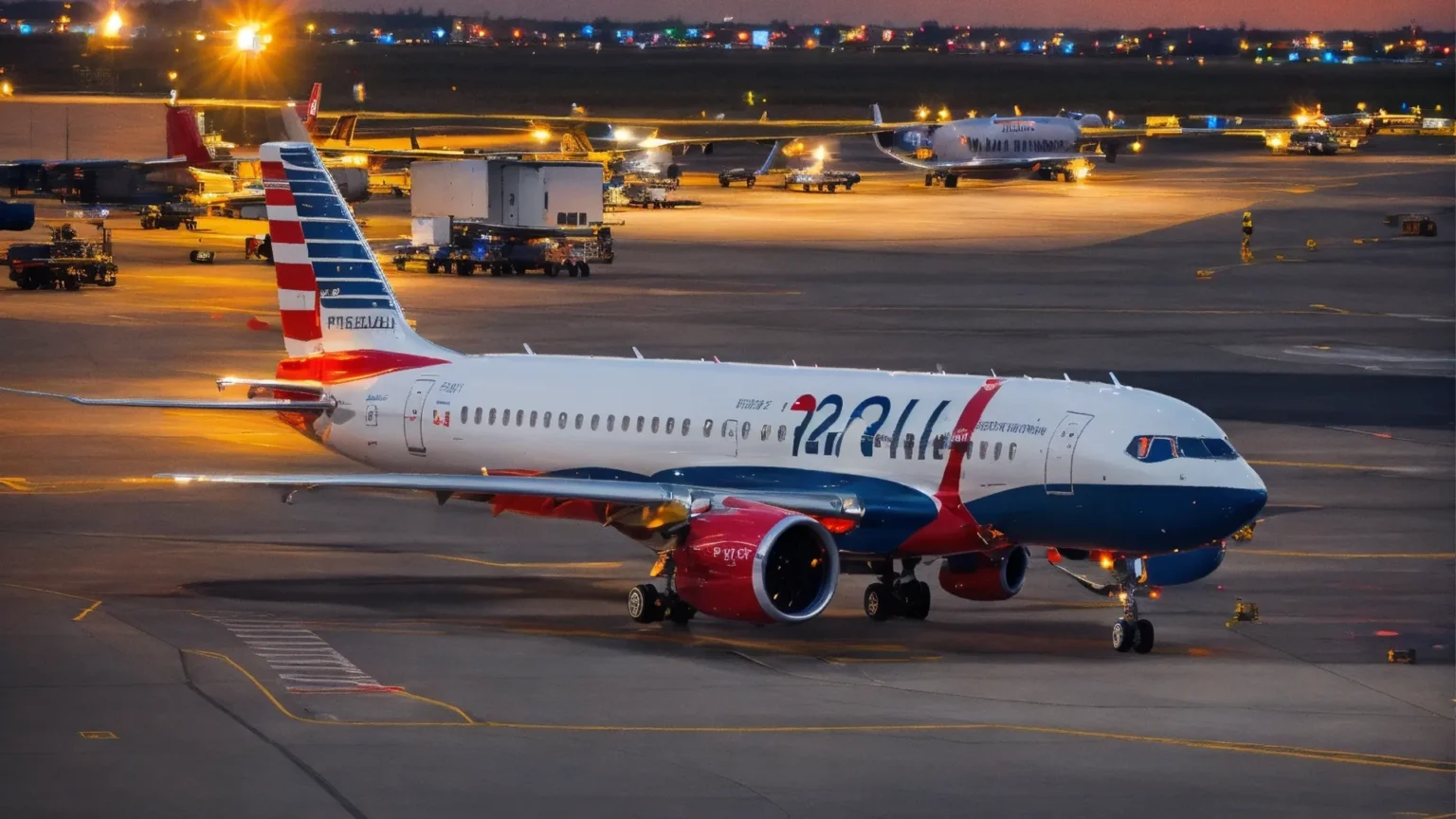

The aviation industry operates on precision, careful coordination, and strict safety protocols that are followed at every stage of a flight. Despite the advanced systems built into modern aircraft, unexpected situations can still occur, especially on long-haul routes that span thousands of miles. One such case that gained attention was delta flight dl275 diverted lax, a journey that took an unplanned turn while crossing the Pacific.
The flight was scheduled to travel from Detroit to Tokyo, connecting two major economic and cultural hubs. For passengers onboard, it was expected to be a routine long-distance journey. However, during the later phase of the flight, the aircraft changed course and diverted to Los Angeles International Airport instead of continuing to Japan.
This event raised questions about what caused the diversion, how the situation was handled, and what it reveals about aviation safety. Looking closely at the delta flight dl275 japan diversion lax provides a clear picture of how airlines respond to technical alerts and why such decisions are made.
Flight Overview and Route Details
Delta Flight DL275 serves as an important trans-Pacific route, linking Detroit Metropolitan Wayne County Airport with Tokyo Haneda Airport. This route supports both passenger travel and cargo movement between the United States and Japan, making it a key part of international aviation operations.
The journey usually takes around 13 hours and is operated using the Airbus A350-900. This aircraft is known for its long-range capability and efficiency, making it suitable for intercontinental routes. It is equipped with Rolls-Royce Trent XWB engines, which are designed to perform reliably under demanding conditions.
On the day of the incident, the flight carried over 300 passengers and crew members. The aircraft departed with a minor delay, but nothing indicated that the journey would face any major disruption.
Timeline of the Diversion
The sequence of events that led to delta flight dl275 diverted lax developed gradually during the flight. After departure from Detroit, the aircraft climbed to cruising altitude and continued on its planned route across the Pacific Ocean.
Several hours into the journey, the aircraft entered the later phase of the flight. At this point, it had already covered a significant distance and was operating far from major airports. While cruising at high altitude, the flight crew received a system alert related to the engine anti-ice mechanism.
Upon receiving the alert, the pilots assessed the situation and followed established procedures. Communication with air traffic control began immediately, and the crew evaluated possible diversion options.
Instead of continuing toward Tokyo, the decision was made to change course and head toward Los Angeles. The aircraft gradually adjusted its route and proceeded toward Los Angeles International Airport.
After several hours, the plane landed safely. Emergency services were on standby as a precaution, but no emergency situation developed during landing. All passengers and crew disembarked safely, bringing the situation to a controlled conclusion.
Understanding the Root Cause
The primary reason behind the delta flight dl275 japan diversion lax was linked to the aircraft’s engine anti-ice system. This system plays a critical role in maintaining engine performance during high-altitude flight.
At cruising altitude, temperatures can drop to extremely low levels. In such conditions, ice can form on engine components, which may interfere with airflow and reduce efficiency. The anti-ice system is designed to prevent this by applying controlled heat to key areas.
In this case, the system generated a warning signal. While the exact technical detail may vary, such alerts are often triggered by sensor irregularities or minor mechanical concerns. It is important to note that there was no engine failure, no fire, and no visible damage reported during the flight.
The decision to divert was based on precaution. Pilots are trained to respond immediately to any system alert, especially during long flights over remote regions where options are limited. Acting early helps avoid complications and keeps passengers safe.
Why Los Angeles Was Selected
Selecting a diversion airport requires careful consideration of several factors, including distance, facilities, weather conditions, and airline support. In the case of delta flight dl275 diverted lax, Los Angeles was the most practical choice.
Los Angeles International Airport is one of the busiest airports in the United States and is equipped to handle large international aircraft. It offers extensive maintenance capabilities, allowing engineers to inspect and address technical issues immediately after landing.
Another important factor was the airline’s operational presence. With a strong network at LAX, Delta was able to manage passenger arrangements more efficiently. This included rebooking flights, arranging accommodations, and providing support services.
Weather conditions also supported the decision. Clear and stable weather reduced risks associated with landing and ensured a smooth arrival.
Passenger Experience and Airline Response
For passengers onboard, the diversion was an unexpected development. During the flight, the crew informed passengers about the situation, explaining that the decision was made out of caution. While such announcements can create concern, they also provide reassurance that the situation is being handled professionally.
After landing in Los Angeles, passengers were guided through the next steps. The airline arranged accommodations for those who needed overnight stays and provided meal support. Rebooking options were made available, allowing passengers to continue their journey to Tokyo.
Many travelers were able to resume their trip within one to two days. Reports from passengers indicated that communication from the crew and ground staff was clear and helpful, which played a role in reducing stress during the situation.
Operational and Financial Impact
Flight diversions involve significant operational adjustments. For delta flight dl275 diverted lax, the airline had to account for additional fuel usage, crew scheduling changes, and passenger services.
Maintenance inspections were required to evaluate the aircraft and address the reported issue. These inspections are thorough and necessary before the aircraft can return to service.
The financial cost of such an event can be substantial, often reaching millions of dollars. This includes fuel costs, accommodation expenses, and operational disruptions. Despite these factors, airlines prioritize safety over cost, as maintaining passenger trust and safety standards is essential.
Aviation Safety and Decision-Making
This incident highlights how aviation safety systems function in real-world situations. Aircraft are equipped with monitoring systems that detect irregularities early, allowing crews to respond before issues escalate.
Diversions are not uncommon in aviation, but they are relatively rare compared to the total number of flights. When they do occur, they are usually precautionary and handled without incident.
Pilots undergo extensive training to manage such situations. They follow established protocols that guide decision-making, ensuring that every action taken prioritizes safety.
Industry Insights and Broader Context
The delta flight dl275 japan diversion lax also reflects ongoing developments within the aviation industry. Airlines are increasingly investing in predictive maintenance technologies that use data to identify potential issues before they occur.
Environmental conditions are another factor influencing flight operations. Changes in atmospheric patterns can affect icing conditions, making systems like anti-ice mechanisms even more important.
Aircraft such as the A350 are built with high reliability standards, but continuous monitoring remains essential. This ensures that even minor issues are detected and addressed promptly.
Impact on Future Operations
Following incidents like this, airlines often review their procedures and make improvements where needed. This can include updates to maintenance schedules, additional inspections, or adjustments in operational planning.
These steps help strengthen overall safety and reduce the likelihood of similar situations in the future. They also contribute to improving efficiency and reliability across the airline’s network.
Lessons for Travelers
For passengers, understanding how diversions work can make the experience less stressful. While delays and changes can be inconvenient, they are part of a system designed to protect everyone onboard.
Staying informed through airline updates and following crew instructions can help passengers manage the situation more effectively. Having essential items in carry-on luggage can also make unexpected delays easier to handle.
Travelers should also be aware that airlines typically provide support in such situations, including rebooking and accommodations when necessary.
Conclusion
The delta flight dl275 diverted lax incident shows how aviation systems are designed to respond to unexpected situations with precision and care. What may appear as a disruption is actually a controlled and calculated decision made to maintain safety.
The delta flight dl275 japan diversion lax demonstrates the coordination between pilots, aircraft systems, and ground operations. While passengers experienced delays, the outcome reinforces confidence in modern air travel.
Such events are rare, but they highlight the effectiveness of safety protocols that are in place across the aviation industry.
FAQs
Why was Delta Flight DL275 diverted to LAX?
The flight was diverted due to an engine anti-ice system warning that required precautionary action.
Was the situation dangerous?
No immediate danger was reported. The diversion was a preventive measure.
Were passengers safe?
Yes, all passengers and crew landed safely without injuries.
Why was Los Angeles chosen?
It offered better facilities, operational support, and favorable weather conditions.
What support did passengers receive?
Passengers were provided with rebooking options, accommodations, and assistance.
Is the route still operating?
Yes, the flight route continues to operate with standard safety checks.