

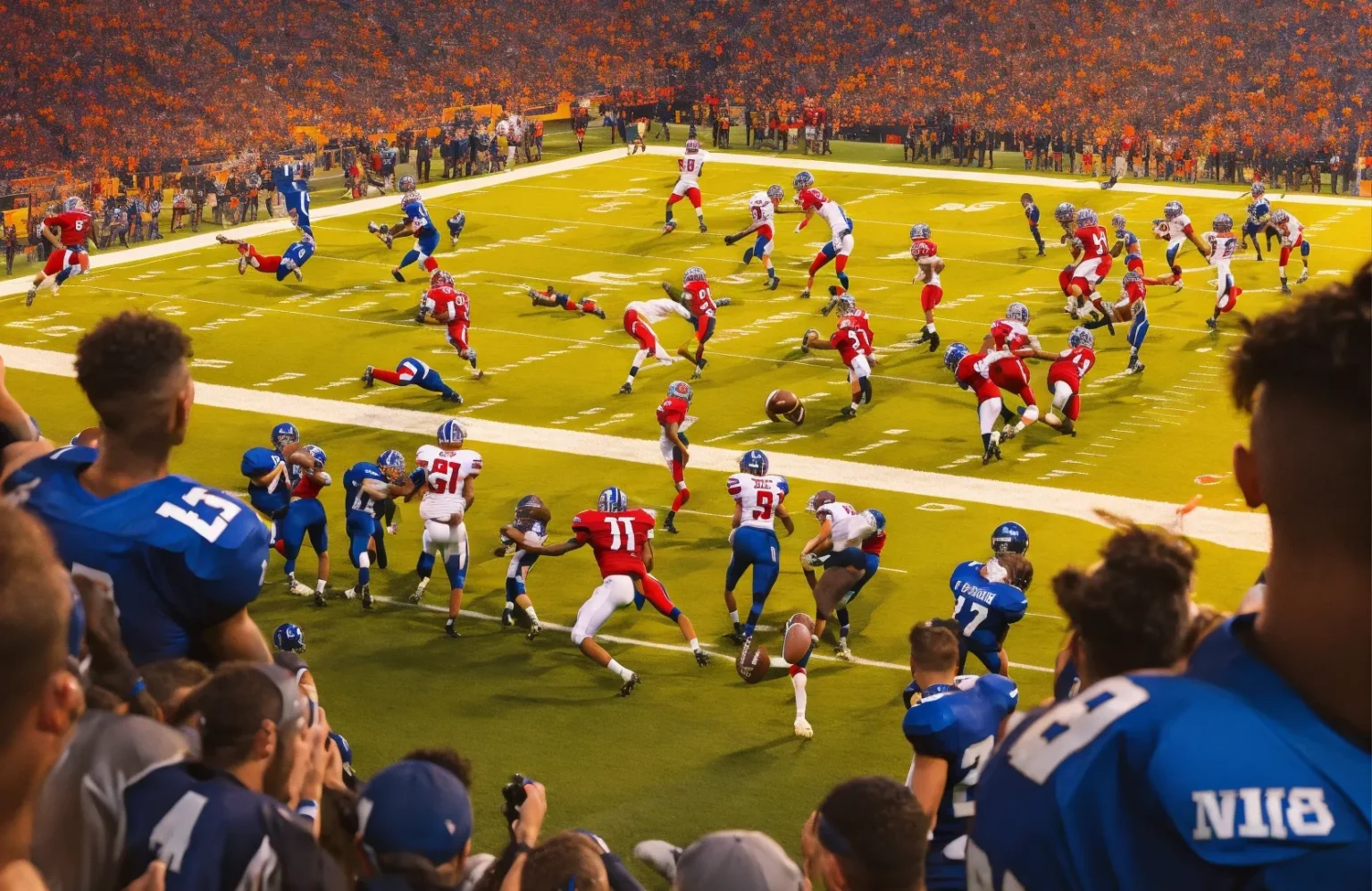

The matchup between the New York Giants and the Baltimore Ravens has always drawn attention from fans who enjoy contrasting styles of football. When these two teams meet, the game often highlights the difference between offensive creativity and defensive resilience. The latest clash added another chapter to their history, delivering a performance that reflected both dominance and struggle on different sides of the field.
Match Overview and Game Context
The game took place at MetLife Stadium, where the Giants aimed to defend their home ground against a Ravens team pushing for playoff positioning. From the opening drive, it became clear that Baltimore came prepared with a focused game plan, while New York struggled to find rhythm.
The first quarter remained competitive, but as the game progressed, Baltimore started controlling possession and tempo. By halftime, the Ravens had already built a solid lead, forcing the Giants into a reactive style of play. This shift in momentum heavily impacted the performance of quarterbacks, running backs, and defensive units on both sides.
The baltimore ravens vs new york giants match player stats clearly show a difference in execution, especially in third-down conversions and red-zone efficiency. Baltimore capitalized on opportunities, while New York faced repeated setbacks due to turnovers and missed plays.
Quarterback Performance Analysis
The spotlight of the game remained on Lamar Jackson, whose performance defined the Ravens’ offensive success. He delivered an exceptional outing, showing accuracy, mobility, and decision-making under pressure. His passing yards crossed the 300 mark, and he recorded multiple touchdowns without throwing an interception after an early mistake. His ability to recover from that error and dominate the rest of the game demonstrated leadership and composure.
On the other side, the Giants rotated between Tommy DeVito and Tim Boyle, which disrupted their offensive consistency. DeVito started with a controlled approach but had to leave mid-game due to injury concerns, forcing Boyle into action. Boyle struggled to maintain efficiency, throwing an interception and failing to convert key third downs.
The contrast between the quarterbacks highlights one of the most important aspects of the new york giants vs baltimore ravens match player stats. While Jackson maintained control and confidence, the Giants’ quarterback situation reflected instability, which directly affected scoring opportunities.
Running Game and Ground Control
Baltimore’s running game played a strong supporting role in maintaining balance. Derrick Henry contributed with powerful runs that consistently gained positive yardage. His ability to break tackles and move the chains allowed the Ravens to sustain long drives and keep the Giants’ defense on the field.
The Giants relied on Devin Singletary to carry their ground game. While he showed effort and managed some productive runs, the overall rushing attack lacked explosiveness. The absence of a consistent run game forced the Giants to rely more heavily on passing plays, which became predictable and easier to defend.
The baltimore ravens vs new york giants match player stats in rushing clearly show Baltimore’s advantage, not just in yardage but in control of game tempo. Sustained drives allowed the Ravens to dominate possession time, limiting the Giants’ chances to respond.
Wide Receivers and Passing Targets
The Ravens’ receiving corps delivered one of their most effective performances of the season. Rashod Bateman emerged as a standout player, making key receptions and scoring multiple touchdowns. His ability to create separation and exploit defensive gaps made him a reliable target throughout the game.
Mark Andrews also played a crucial role, contributing consistent yardage and acting as a safety valve in critical moments. His presence in the middle of the field kept drives alive and added another layer to Baltimore’s offensive strategy.
For the Giants, Malik Nabers showed promise with several receptions and steady yardage gains. However, the lack of coordination between quarterbacks and receivers limited big-play opportunities. Wan’Dale Robinson managed to score a touchdown, providing one of the few bright moments for New York’s offense.
The difference in receiver performance reflects the broader story of the new york giants vs baltimore ravens match player stats. Baltimore executed with precision, while New York struggled to convert potential into results.
Defensive Performance and Impact
Baltimore’s defense delivered a disciplined and aggressive performance that put constant pressure on the Giants. The defensive line generated multiple sacks and forced turnovers, disrupting New York’s offensive flow. Their ability to read plays and respond quickly played a significant role in maintaining their lead.
The Giants’ defense had moments of resistance, particularly through Adoree’ Jackson, who delivered one of the strongest individual defensive performances of the game. He managed to contain key receivers and made important tackles, but the overall defensive unit struggled to stop Baltimore’s balanced attack.
The baltimore ravens vs new york giants match player stats highlight the Ravens’ defensive efficiency, especially in limiting big plays and capitalizing on mistakes. The Giants, despite individual efforts, could not maintain consistency across all four quarters.
Special Teams Contribution
Special teams often play a crucial role in close games, but in this matchup, they mainly supported the overall flow rather than defining it. Justin Tucker once again proved his reliability, converting field goals with precision and adding to Baltimore’s scoreboard advantage.
The Giants’ kicking unit also performed adequately, but their contributions were not enough to close the gap created by offensive and defensive struggles. Field position battles slightly favored Baltimore, further strengthening their control over the game.
Key Moments That Defined the Game
Several moments shaped the outcome of this matchup. Lamar Jackson’s recovery after an early mistake set the tone for Baltimore’s resilience. His touchdown passes in the second quarter created a gap that the Giants found difficult to overcome.
Another defining moment came from Rashod Bateman’s long touchdown reception, which showcased both speed and tactical execution. This play shifted momentum further in Baltimore’s favor and highlighted their offensive depth.
For the Giants, the quarterback change mid-game disrupted their strategy and limited their ability to respond effectively. This moment reflected the challenges they faced throughout the match and contributed to the final result.
Statistical Comparison and Insights
The statistical breakdown of the new york giants vs baltimore ravens match player stats reveals a clear difference in efficiency. Baltimore outperformed New York in total yardage, passing accuracy, and third-down conversions. Their ability to convert drives into points played a major role in securing victory.
Time of possession also favored Baltimore, indicating better control of the game. The Giants’ turnovers and penalties further weakened their position, making it difficult to build momentum or sustain scoring drives.
These numbers not only reflect the outcome of this game but also provide insight into each team’s strengths and weaknesses moving forward.
Historical Context of the Rivalry
The rivalry between the Baltimore Ravens and New York Giants has produced several memorable encounters over the years. While not a frequent matchup, each game carries significance due to the contrasting playing styles of the two teams.
Historically, Baltimore has held an advantage in head-to-head results, often relying on strong defense and efficient offense. The Giants have had their moments of success, but consistency has been a challenge in recent encounters.
The latest game continues this trend, reinforcing Baltimore’s dominance while highlighting areas where New York needs improvement.
What This Game Means Going Forward
For the Ravens, this victory strengthens their position as a competitive force in the league. Their balanced performance across offense and defense demonstrates their ability to adapt and perform under pressure.
For the Giants, the game serves as a reminder of the need for stability, particularly in the quarterback position. Improving coordination, reducing errors, and strengthening both offensive and defensive units will be essential for future success.
The baltimore ravens vs new york giants match player stats provide valuable lessons for both teams, shaping their approach for upcoming games and long-term strategies.
Conclusion
The new york giants vs baltimore ravens match player stats tell a story of dominance, resilience, and contrasting execution. Baltimore’s performance, led by Lamar Jackson, showcased efficiency and control, while the Giants faced challenges that limited their ability to compete at the same level.
This game highlights how individual brilliance, combined with team coordination, can determine the outcome of high-level football matchups. For fans, it offers both excitement and insight into the evolving dynamics of the NFL.
FAQs
What were the key highlights of the New York Giants vs Baltimore Ravens match player stats?
The game featured strong quarterback play from Lamar Jackson, efficient scoring drives, and a dominant defensive performance by the Ravens.
Who was the best performer in the match?
Lamar Jackson stood out with his passing accuracy, touchdowns, and overall control of the game.
How did the Giants perform offensively?
The Giants struggled with consistency, especially due to quarterback changes and limited rushing success.
What role did defense play in the game?
Baltimore’s defense was highly effective, forcing turnovers and limiting scoring opportunities for the Giants.
What does this result mean for both teams?
The Ravens strengthen their competitive position, while the Giants need improvements in coordination and stability.